When people think of a “roof,” they usually picture a steeply pitched residential house covered in traditional asphalt shingles. However, look across the skyline of Lubbock, and you will see a massive variety of commercial buildings, warehouses, retail centers, and multi-family complexes featuring entirely different architectural layouts.
While the primary goal of any roof is to keep the elements out, residential and commercial roofing projects are worlds apart. From the structural engineering and materials used to the installation methods and maintenance requirements, understanding these differences is crucial for property owners.
As a trusted local contractor handling both sectors since 2007, ABF Roofing breaks down what sets them apart.
1. Roof Pitch and Design
-
Residential Roofs: Typically feature steep slopes or pitches. This design is chosen primarily for aesthetic curb appeal and to allow rain, snow, and debris to slide off easily via gravity.
-
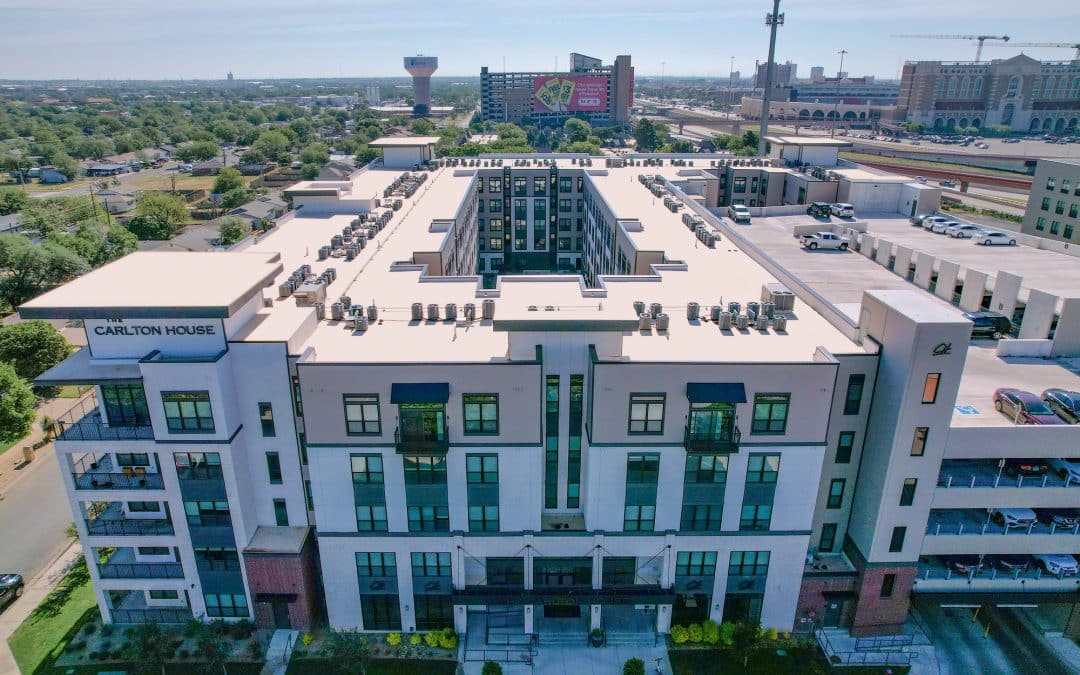
Commercial Roofs: Are usually flat or have a very low slope. While they may look flat from the ground, they are engineered with a slight pitch to guide water toward internal drains or scuppers, preventing pooling water.
2. Materials and Application Systems
Because the structural designs are so different, the materials used couldn’t be more distinct:
-
Residential Options: Focus heavily on aesthetics alongside durability. Homeowners often choose asphalt shingles, wood shakes, concrete or clay tiles, standing seam metal, or impact-resistant systems.
-
Commercial Options: Prioritize large-scale performance, energy efficiency, and waterproofing for expansive square footage. Common commercial materials include:
-
TPO (Thermoplastic Polyolefin): Highly reflective, energy-efficient single-ply membrane.
-
Modified Bitumen: Multi-layered durable asphalt-based membranes ideal for flat configurations.
-
Polyurethane Foam Coating: Excellent seamless insulation and waterproofing, which ABF specializes in.
-
Built-Up Roofing (BUR) & Standing Seam Metal.
-
3. Equipment, Access, and Mechanical Units
Commercial roofing projects introduce unique logistical challenges. Commercial buildings often house heavy HVAC units, ventilation systems, and plumbing stacks directly on the roof.
-
Commercial roofers must work around and flash meticulously into these heavy mechanical fixtures.
-
Commercial projects also require specialized heavy-duty equipment, cranes, safety compliance measures, and large crew coordination to manage extensive square footage efficiently without disrupting the businesses operating below.
4. Maintenance and Lifespan Expectations
-
Residential Maintenance: Focuses on gutter cleaning, checking flashing, and replacing broken or wind-lifted shingles.
-
Commercial Maintenance: Often requires structured, periodic maintenance programs. Because flat roofs are more susceptible to standing water, keeping scuppers and drains clean and inspecting membrane seams is critical to prevent leaks that could damage inventory or disrupt business operations.
Partner with Lubbock’s Versatile Roofing Experts
Whether you are upgrading your home’s curb appeal with a brand-new metal roof or managing a commercial flat-roof installation for your business, you need a contractor with specialized expertise in both fields.
ABF Roofing is fully equipped to handle residential and commercial projects of any scale across Lubbock and the surrounding areas.